

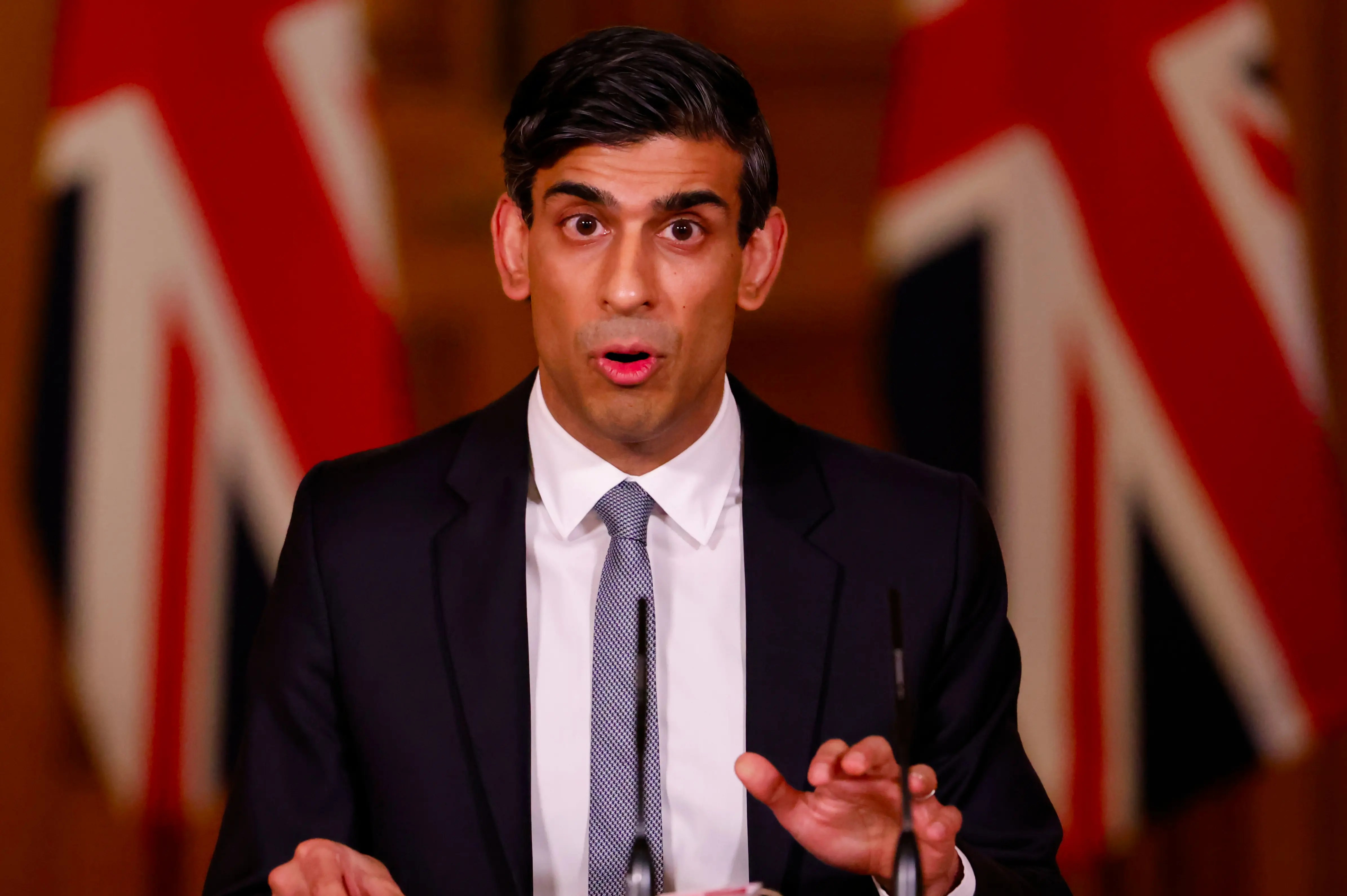
Rishi Sunak’s provocative remarks about ‘rip off’ universities and ‘Micky Mouse’ degrees are merely the latest stage in Tory attempts to limit the number of students attending HE. There have been a series of initiatives, in particular the 2019 Augar report which sought to leaver more young people into job-related courses in FE; the 2021 Skills White Paper, which introduced higher level vocational qualifications. There’s also been continued threats to defund universities not offering ‘value for money’. But, as with Tory plans to ‘price out’ young people with absorbitant fees, these have been comparatively ineffective, with the number of school and college leavers applying to universities reaching even higher levels. So, Sunak, faced with spiralling student debt, has now decided to move further, capping numbers directly.
But the attacks on universities are also part of a much wider offensive – a Great Reversal of post war education policy. Post-war expansion was based on two premises. Firstly, that the economy continued to require a more educated workforce to meet increased skill requirements. Related to this was the argument that social mobility needed to be increased to mobilise and maximise talent. Labour in particular organised around these principles. The efforts of education reformers to widen access shouldn’t be underestimated, but they were also accepted by many Tories. Examples were tripartite schooling being replaced by comprehensive schools and polytechnics (which eventually became repackaged as universities) being set up for a new ‘aspirational’ working class.
But as post-war economic expansion went into reverse then so did education policy. Though the 1988 Education Reform Act introduced a more market-based system of school education and cuts to provision continued unabated, it was the Tories (and Coalition’s) 2010 reforms (a carefully crafted response to Blair’s ‘Education, Education, Education’) that constituted a major break with the schooling of the post-war years.
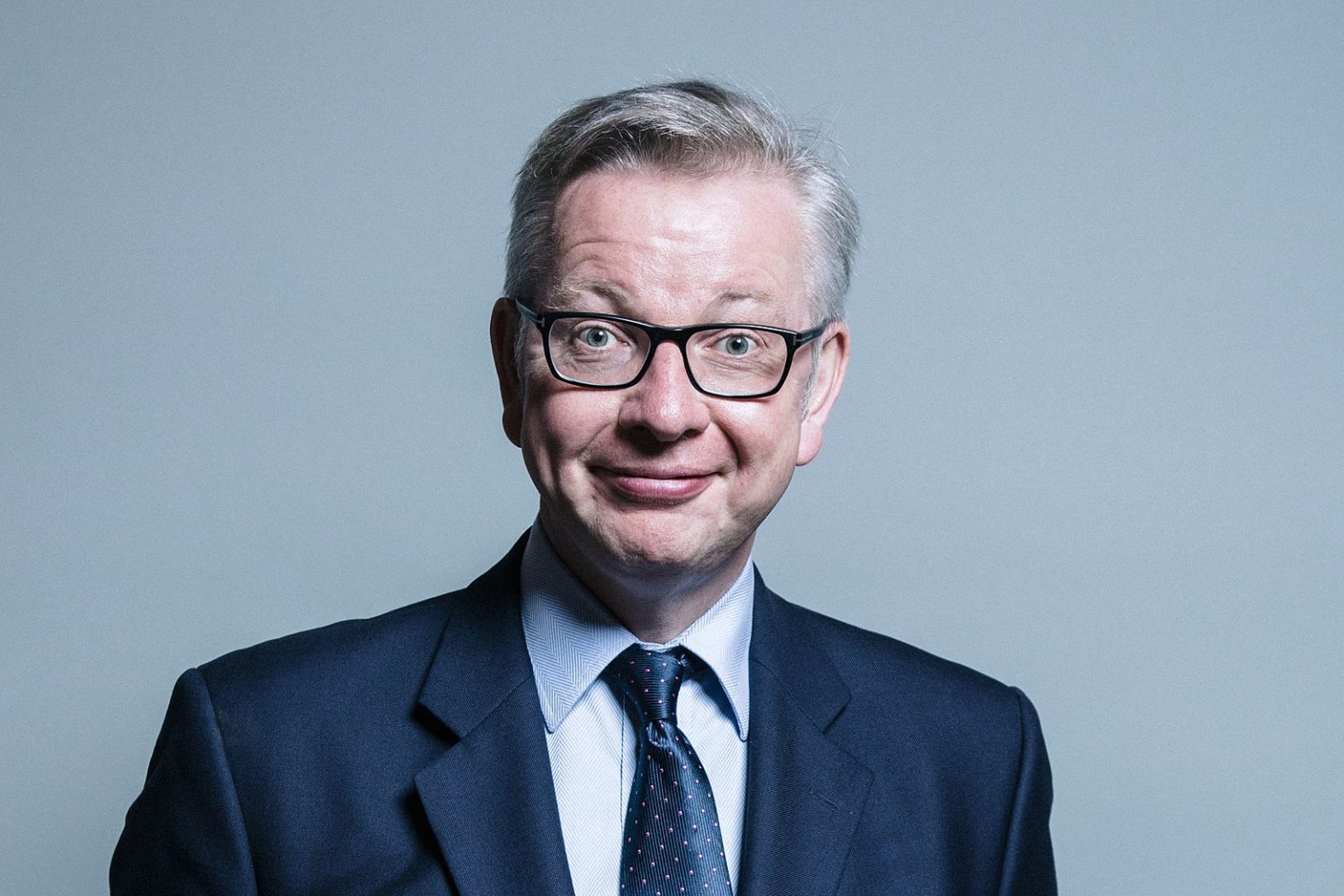
Under the auspices of Michael Gove, any remaining progressive curriculum reforms were abandoned and replaced by traditional grammar school subject based learning. Gove really wanted to make exams harder, so fewer would pass them, just like the grammar school. But by ‘teaching to test’ practitioners were able to coach their protégées to jump through new hoops and leap over new bars. So instead, exam grades (which had risen as standards went up) were pegged to the previous years (referred to as ‘comparative outcomes’ ) just like they used to be in the days of the grammar school.
Many pages were written about how education had been ‘captured by the Right’, but the changes were (as with Sunak’s comments this week) as much a response to longer term changes in the labour market. Rather than Blair and Gordon Brown’s optimism about the new opportunities of the global economy, young people were increasingly ‘overqualified’ for many of the jobs available. Whereas throughout most of the post-war period, education enabled (but didn’t produce) upward mobility, today, for all but the elite, the only mobility is likely to be downwards. Rather than encouraged, aspirations now have to be carefully managed.
Statistics will tell you that Sunak is right about graduates not getting graduate jobs (and Labour’s responses, pie in the sky) but of course, he’s got things totally the wrong way round. It’s the economy, not the education system (despite years of cuts, privatisation, marketisation and exhausted practitioners getting the blame for education’s shortcomings and now for ‘selling young people a lie’) that’s let current generations down.
Of course, education from school to university has always played a selective role in allocating young people to economic roles. But in an expanding and prosperous economy this process is much less intense (and educationalists are able to get away with saying that ‘education is about more than just getting a job’. It’s also during these times that curriculum innovation takes place and learning becomes more enjoyable).
It’s also changes in the economy that have prevented the growth of the sorts of apprenticeships both the Tories and Labour want, just like there used to be in the ‘old days’ – neither have reinvented vocational qualifications attracted many young people away from the academic route. This state of affairs is not unique to Britain, but it’s much more pronounced in an economy with much less state intervention than elsewhere, where there’s no industrial strategy and where the transition from education to employment is essentially left to market forces. Under the present conditions. the aims and ambitions of post-war education are now unrecognisable and largely unattainable.

 Education, Economy and Society
Very eloquent final sentence –
<
div>Good to see you
Well done, Martin! It is only this historical context that enables understanding of how English education has come to (in your final eloquent sentence remarked on by Anita above) the management rather than encouragement of aspirations. The problem in gaining a wider understanding is that there are too few journalists and other chatterers on education who have or are prepared to acquire the knowledge necessary to do so. But keep up your blogs and let’s think how we can draw them to a wider attention.
PS ‘much’ not ‘must’ in fifth to last line.
Thanks!
“This state of affairs is not unique to Britain… ”
Lest we forget, Sunak’s government only has regulatory control over Universities based in England, a word that fails to appear in this otherwise profound article.
It’s an undiscussed point for debate what happens in the current scenario if courses similar to those ‘cancelled’ or capped in England are available/uncapped in Scotland, Cymru/Wales or N. Ireland and what happens to applicants domiciled in England who apply to them? Given that UCAS is a UK wide scheme, in theory the market should prevail and if England-based students looking for the ‘boarding school experience’ want to study a full time undergraduate programme in (say) Scotland then no restrictions can be forced to apply by the UK government.
The increasing divergence between the fiscal and regulatory HE regimes in each of the four parts of the UK mean that it is questionable whether we can talk any longer about “Britain” or “the UK” as a single educational entity (which it has never fully been in any case). While the Education Reform Act 1988 is an important reference point for the direction of education within England, the Further and Higher Education Act 1992 that created the separation of HE teaching and learning into four parts is also particularly important in the issue of course regulation and finance, even though we have a largely unified labour market (with only minor differences in regulation but huge ‘regional’ employment disparities that are a hallmark of the inequality within the UK state).
Obviously the creation of devolved legislatures and in particular the fact that since 2010 we have had a continuous state of “partisan vertical incongruence” in the political governance of HE regulation (no party has been in government in more than one education jurisdiction since then) is causing increasingly profound ruptures. Of course the UK government still holds a couple of aces in the form of the non-devolution of scientific research and control over the visa regulation for international students that dominates the in-trays of vice chancellors in Russell Group universities. But for the majority of HE’s functions the importance of devolution and divergence needs to be acknowledged.
Thanx for this.
For “But, as with Tory plans to ‘price out’ young people with absorbent fees” I think you may mean: But, as with Tory plans to ‘price out’ young people with exorbitant fees.
I do!