
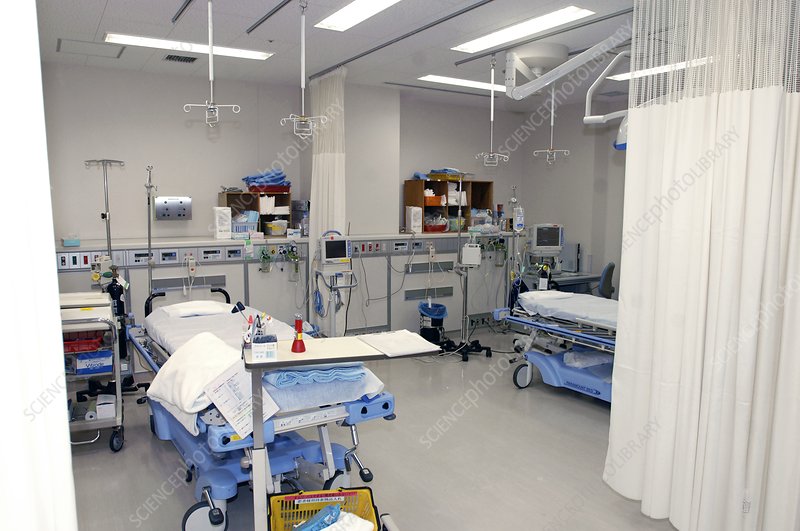
Labour’s planned increases in everyday spending – £190 billion over the remainder of the parliament, announced in last week’s ‘spending review’ – are firefighting measures, being nowhere near enough to rebuild public services after ’14 wasted years’. Labour’s increases are also dependent on the economy continuing to expand and generate additional taxation revenue. With a perilous international situation – there’s little optimism about this either; with data released the day after Labour’s statement showing a 0.3 % contraction. Yearly forecasts have also been downgraded.
With 80% plus of real increases in day-to-day spending going to the NHS, the Resolution Foundation estimates that half of all public-service spending will be allocated to health and social care by the end of the decade. Britain, it argues, is slowly becoming a (National) Health State. https://www.resolutionfoundation.org/
But, as the population gets older, but not necessarily healthier, a further, massive increase in resources would be required to maintain living standards, provide adequate care and secure a proper Heath State. With zero growth, unnecessary fiscal rules restricting borrowing and a refusal to increase taxes on the better off, there would appear to be limited chance of this.
Scroll back to the late 1990s when in more optimistic times, the Blair/Brown government told us we were in an Education (‘education, education’) State. Then, on the back of a more prosperous economy total education spending increased from 4.5% to 6.2% over a decade with spending per student rising by almost 50% in real terms ( it slipped back to under 4% under the Tories).
In comparison, in the current flatlining economy, day to day education spending in England will increase by an annual 0.7% in real terms by the end of the parliament, essentially only because the schools’ budget is protected and student numbers falling.
Meanwhile, proposals for increased capital spending on education are absent from the string of new projects announced by Chancellor Reeves, (spending on investment is due to be £33 billion higher than the previous Government had planned, but these new projects will in most cases take years to reach fruition, that’s if they are completed at all.
But while Blair’s Education State dramatically improved qualification levels and produced huge numbers of graduates, the increases in high skilled and high paid ‘graduate jobs’ didn’t materialise. Since then, education has fallen down the policy agenda–at least it doesn’t feature in most people’s immediate priorities.
And returning to today. Neither is Starmer and Reeves’s ‘Back to Work State’ achieving anywhere near its expectations. Workforce participation remains stuck at 75%, well short of the 80% target set out in the government’s White Paper. Unemployment is nudging up; graduates find it even more difficult to secure proper work and there are still around 1 million NEETs.
These continued failures only increase the chances of a Farage (Trump inspired) Right State.

 Education, Economy and Society